

- View all variations as list
| CODE | Shipping From | Business Type | Availability | Price | ||
|---|---|---|---|---|---|---|

|
In stock
|
Contact us for a price | ||||
|
691C889D55973
|
In stock
|
Contact us for a price | ||||
|
691C88954C8EB
|
In stock
|
Contact us for a price | ||||
|
691C88998D0E4
|
In stock
|
Contact us for a price |
Please sign in so that we can notify you about a reply
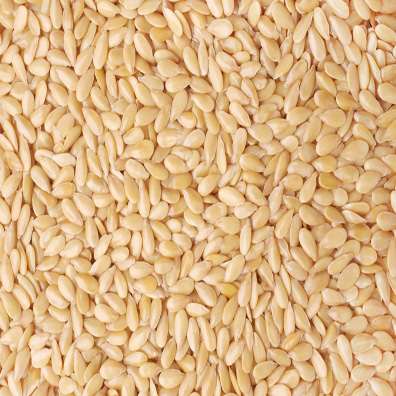
Sesame seeds are tiny, oil-rich seeds from the Sesamum indicum plant, valued for their nutty flavor and nutritional benefits, including protein, healthy fats, fiber, vitamins, and minerals. They are used in cooking for a nutty crunch and in products like tahini, and can be found in various colors such as white, black, and brown. The seeds have been cultivated since ancient times and are a good source of antioxidants with potential health benefits for heart disease, diabetes, and inflammation.
Nutritional profile
Protein: Sesame seeds are a good source of protein.
Healthy fats: They are rich in healthy monounsaturated and polyunsaturated fats.
Vitamins: They contain B vitamins, such as thiamin (B1) and B6, as well as Vitamin E.
Minerals: They are high in minerals like calcium, iron, magnesium, phosphorus, and zinc.
Fiber: They are a good source of dietary fiber.
Antioxidants: Sesame seeds contain beneficial compounds with antioxidant, anti-inflammatory, and anti-tumor effects.
Culinary uses
Flavor and texture: Added to dishes for a nutty flavor and crunchy texture, including breads, noodles, and rice dishes.
Oil: Pressed to create a cooking oil that is known for its stability.
Paste: Ground to make tahini, a common ingredient in Middle Eastern dishes.
Topping: Sprinkled on a wide variety of foods, from salads to baked goods.
Types of sesame seeds
Color: Commonly available in colors like white, black, red, yellow, and ivory.
Unhulled vs. hulled: Unhulled seeds have the outer, edible husk intact (giving them a golden-brown color), while hulled seeds have the husk removed (making them off-white).
Flavor: Darker seeds are often said to have more flavor.
Other uses
Traditional medicine: Used in folk medicine for various ailments, though not all uses are supported by scientific evidence.
Cosmetics and lubricants: Also used in the production of soaps, cosmetics, and other products.
Important considerations
Allergen: Sesame is a major food allergen in the US, and its presence must be labeled on packaged foods.
Health claims: While they offer health benefits, many of the more specific health claims (like treating high blood pressure or diabetes) require more research and should be discussed with a healthcare provider.
No reviews found